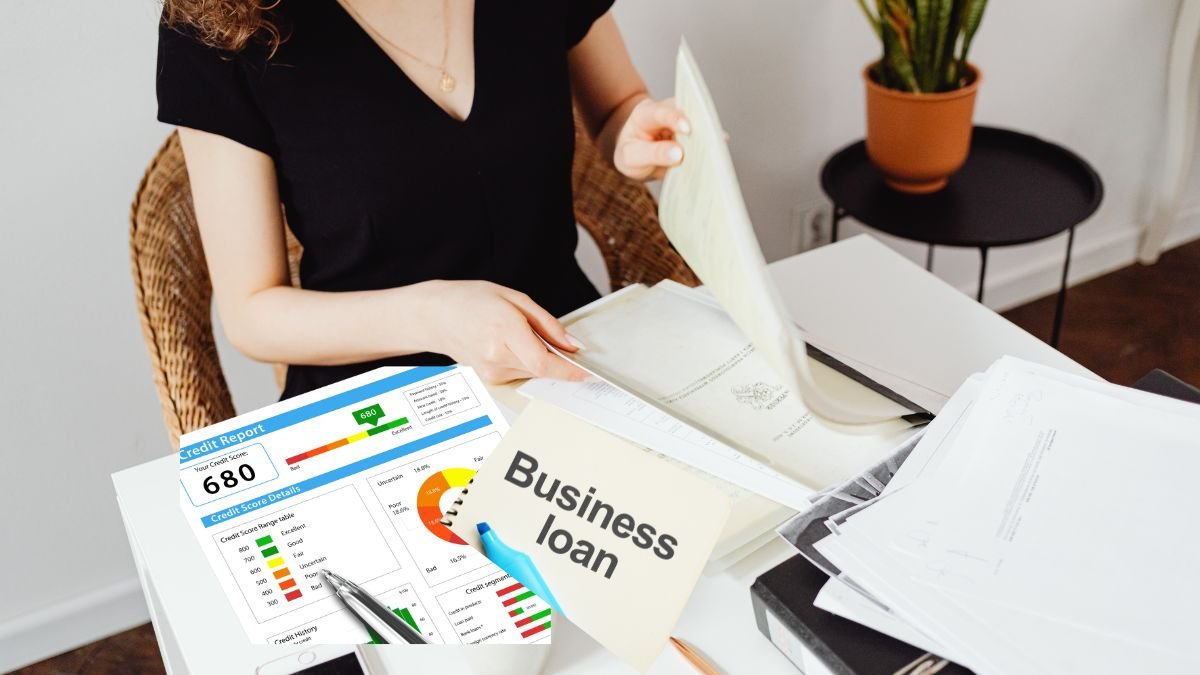
A bad-credit business loan application requires some paperwork. Unlike personal loans and small emergency loans, they follow different criteria. Business loan providers usually accept applications from people with impressive credit scores, but some give a chance to subprime borrowers, too.
A business loan is a lump sum of money that lenders provide to start-ups or established companies to help them fund their business expenses. Working capital might be thin, or a cash flow problem could be haunting you. Entrepreneurs generally bank on business loans when they are struggling with cash flow to meet day-to-day operational overheads. Another reason is spreading the cost of a big-ticket item, such as equipment.
Start-ups rely on bad credit business loans to raise capital. This is an appealing financing option for those who do not need a large sum and do not want to lose equity. Whether you apply for a business loan as a start-up or an established business, you will need to undergo a process. It may take a couple of days to complete the process.
Here are the documents that you will need to have a small business loan approved, irrespective of your credit score:
Start-ups need a business plan which outlines the following details:
A business plan provides details of your start-up objectives and how you will achieve them with borrowed funds.
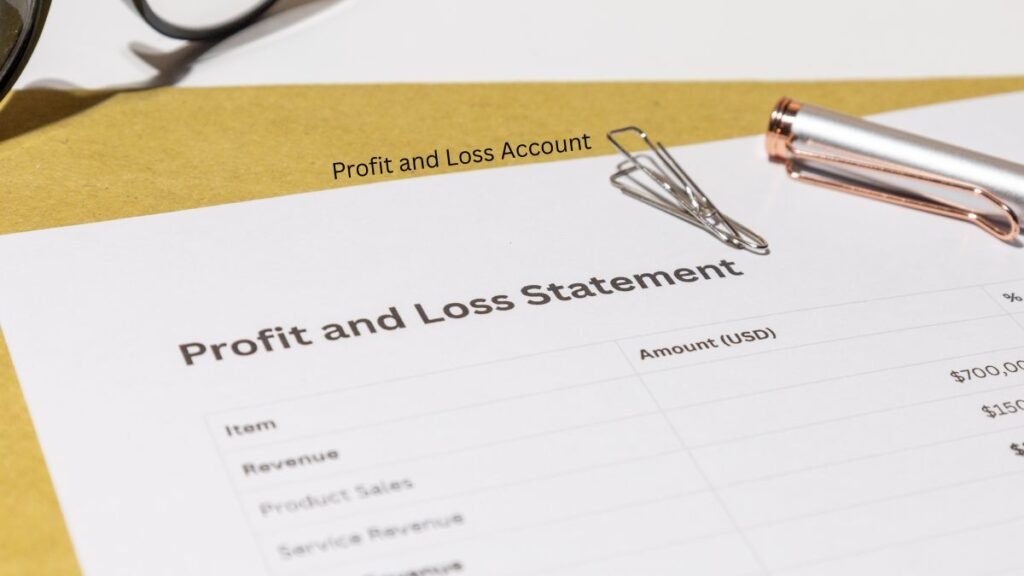
Businesses with a long trading history will need to submit a profit and loss statement. Lenders would like to see your profitability statement. They would ensure that your business generates sufficient revenue to discharge business loans on time.
Start-ups will have to submit projected sales figures. Lenders would want to know how much profit you will be able to generate, which serves as an important basis for them to approve your application.
Cash flow is the gap between income and expenses. A higher cash flow is perceived as a healthy business. Whether you need money to meet a temporary gap in working capital or you need money to purchase equipment, lenders will carefully examine the movement of cash. You must have a high cash inflow to be able to demonstrate your repayment capacity.
Start-ups need to share a cash flow forecast. You will need to identify current trends. Do proper market research so your estimation does not go awry. In order to predict the cash flow forecast, you should consider the sales figures of the previous six months.
Your business potential cannot be overlooked when deciding on your repayment capacity, but some lenders might ask you to give a personal guarantee, which makes you personally responsible for the debt settlement if your business fails.
Lenders will evaluate your personal expenses and income to determine if your budget has the wiggle room to settle the debt.
A proof of identity is a must to demonstrate that you are a person submitting a business loan application. For this, you should have a passport, a driving licence, and the like. You can use either of them as proof of your identity.
Business registration documents are also required. It is vital to prove that your business has a separate legal entity. You need a registration number with HMRC for VAT and corporation taxes.
In addition, you need to provide ownership documents to your lender. This document will give details of the ownership structure.
A proof of address is also used to verify your identity. The following documents you will need to submit as proof of address:
Since your business has a separate legal entity, your business must have a separate business bank account. When they require you to give a personal guarantee, they will also ask for a personal account statement. Make sure that you maintain both kinds of accounts separately.
Your lender will require you to submit bank statements for at least the previous three months. You’d better understand your overall creditworthiness.
The business loan process is different from personal loans. They take some time to complete the process and involve some paperwork. There are various documents you will need to submit to complete the application process. These documents include details of profit and loss and cash flow, and a business plan, a proof of address and identity, and business registration documents.
There is no guarantee of successful approval just because you have all documents accurate. In order to improve your chances of getting business loans approbated, you should improve your overall profile.
Make sure that your business credit score is good. Some lenders would prefer to check your personal credit rating as well. It should also be decent. By keeping your overall credit profile good, you will be more likely to get approval for a business loan.

Jennifer Powell embraced finance writing just the moment she started working as a finance executive with EasyCheapLoan, which is a direct lender in the industry. Jennifer has an exceptionally keen eye for details and used her skills to pen down numerous blogs and articles on finance. When asked, she simply replies with a look on her face that shows how genuinely she cares for people struggling with financial problems. Jennifer works dedicatedly as a finance professional and considers sharing both her experiences and knowledge to increase the financial literacy of people and businesses.